
Blog Details
“Degrees but No Job”: Viral Story of a 26-Year-Old Sparks Debate on Skills vs Degrees in India
“Sab Degrees Hain, Par Berozgaar Hoon”: Viral Story Raises Questions About India’s Degree-Centric Education System
India has long been a country where academic achievements, exam ranks, and degrees define a person’s success. From school report cards to competitive exams, students often grow up believing that securing high marks and prestigious degrees is the ultimate path to a stable career.
However, a viral social media post by a 26-year-old unemployed woman has reignited an important national conversation:
Are degrees still enough to secure employment in today’s rapidly evolving job market?
The woman’s emotional message — “Sab degrees hain, but berozgaar hu” (I have all the degrees, but I’m unemployed) — has resonated with thousands of young Indians, highlighting the growing gap between education and employability.
The Viral Story That Sparked the Debate
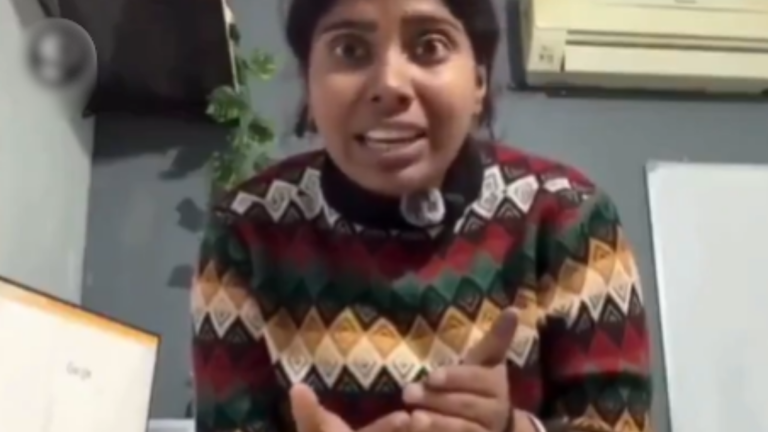
The debate began when a post shared by the X (formerly Twitter) account “IndianTechGuide” circulated widely online. The post referenced a video in which a 26-year-old woman shared her experience of being academically successful throughout her life but still struggling to find employment.
According to the viral message, the woman explained that:
- She was a bright student with excellent academic scores during school.
- She spent years pursuing multiple degrees and certifications.
- Despite her academic qualifications, she has been unable to secure stable employment.
In the video, she urged students to focus on developing real-world skills and creativity instead of merely collecting degrees.
She also pointed out that many content creators, YouTubers, and digital influencers are earning significant income not because of formal academic qualifications but because of their skills, innovation, and ability to adapt to modern platforms.
While the authenticity of the video could not be independently verified, the conversation it triggered has become a reflection of a much larger issue affecting millions of young Indians.
Why the Message Resonated With Young Indians
The post quickly went viral, generating thousands of reactions from students, professionals, and educators.
Many users agreed that India’s education system still emphasizes exam performance more than practical skills.
One social media user commented:
“Clearing JEE or NEET proves discipline. It doesn’t guarantee adaptability. The world now rewards builders, creators, and problem solvers.”
Another user added:
“This isn’t just one person’s story. Skill mismatch and limited quality jobs are real challenges.”
Others expressed concern about the future:
“Watching such videos makes our heart feel heavy. We feel sad for the girl, angry at the system, and scared about our own future.”
These reactions reveal a growing anxiety among India’s youth regarding employability, career opportunities, and the real value of traditional degrees.
India’s Long-Standing Degree Obsession
For decades, Indian families have believed that academic excellence automatically leads to professional success. Competitive exams like:
- JEE
- NEET
- UPSC
- CAT
have often been treated as life-defining milestones.
Students who perform well in these exams receive societal recognition, while creativity, entrepreneurship, and non-traditional career paths are often considered secondary.
This mindset has created a culture where students chase degrees instead of skills.
However, the modern job market is evolving faster than traditional education systems can adapt.
The Growing Skills Gap in India
India produces millions of graduates every year, yet many industries report a shortage of job-ready talent.
According to various workforce studies:
- A significant percentage of graduates are considered not immediately employable.
- Employers increasingly prioritize problem-solving ability, digital literacy, communication, and adaptability.
- Many academic programs remain theory-heavy and disconnected from industry needs.
This mismatch between education and industry requirements is often referred to as the “skills gap.”
The viral story reflects exactly this challenge.
The Rise of the Skill Economy
In recent years, the global economy has started shifting toward skills-based hiring rather than degree-based hiring.
Industries such as:
- Digital marketing
- Artificial intelligence
- Software development
- Content creation
- Design
- E-commerce
- Online education
are increasingly valuing demonstrable skills and portfolios over formal degrees.
Many successful professionals today have built careers through:
- Online learning platforms
- Freelancing ecosystems
- Startup ventures
- Content creation
- Digital entrepreneurship
This trend is gradually changing how young people perceive career paths.
Why Skills and Creativity Are Becoming Critical
The modern workplace demands capabilities that go beyond academic knowledge. Employers now seek individuals who can:
- Solve real-world problems
- Adapt to technological changes
- Collaborate across teams
- Think creatively
- Continuously learn new tools and skills
Degrees may demonstrate discipline and foundational knowledge, but skills demonstrate capability.
In an era driven by automation, artificial intelligence, and digital transformation, adaptability has become one of the most valuable assets.
India’s Push Toward Skill Development
Recognizing this challenge, the Government of India has launched multiple initiatives to promote skill-based education and vocational training, including:
- Skill India Mission
- Pradhan Mantri Kaushal Vikas Yojana (PMKVY)
- National Apprenticeship Promotion Scheme (NAPS)
- Digital Skill Development initiatives
- Industry-aligned training programs
These initiatives aim to bridge the gap between academic education and industry requirements by providing practical, job-oriented training.
However, awareness, implementation quality, and industry integration still remain key challenges.
Rethinking the Education-to-Employment Pathway
The viral story serves as a reminder that the traditional “study hard, get a degree, get a job” model is no longer guaranteed.
Instead, students must adopt a hybrid learning approach that combines:
- Formal education
- Practical training
- Digital skills
- Internships and apprenticeships
- Entrepreneurial exposure
Educational institutions must also evolve by integrating:
- Industry partnerships
- Skill-based curricula
- Experiential learning models
- Innovation labs and startup ecosystems
Only then can India build a workforce that is both educated and employable.
The Real Lesson for Students
The message emerging from this viral debate is not that degrees are useless.
Rather, the key takeaway is that degrees alone are no longer enough.
Students must focus on:
- Building practical skills
- Developing creative thinking
- Learning new technologies
- Creating portfolios and real projects
- Staying adaptable in a changing job market
As one social media user summed it up:
“Exams are filters, not finish lines.”
A Wake-Up Call for India’s Education System
The viral story of a 26-year-old struggling to find employment may represent only one individual’s experience, but it reflects a larger structural issue.
India is at a critical moment where it must transform its education ecosystem from degree-driven to skill-driven.
If the country successfully aligns its education, industry, and skill development systems, it can unlock the true potential of its young demographic dividend.
Otherwise, stories like these may continue to emerge — reminding us that collecting degrees without developing skills may no longer guarantee success in the modern economy.
Recent Blogs
 in India Structure, Role, and Opportunities for Stakeholders.jpg)
.jpg)
.jpg)